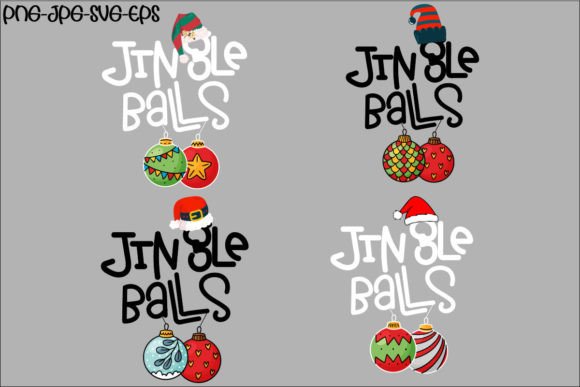
Jingle Balls Collection, Christmas Review
As someone who has spent years turning digital files into tangible, stitched treasures for clients and my own shop, I approach every new embroidery design with a mix of excitement and skepticism. The holiday season is approaching, which means the pressure to deliver unique, high-quality finished products is at an all-time peak. Recently, I got my hands on the Jingle Balls Collection, Christmas, and instead of just looking at the preview image, I decided to put it through the wringer of a real-world project. This isn't just another generic festive graphic; it is an Illustrations category piece that demands specific attention to how it translates from screen to fabric.
My first impression of Jingle Balls Collection, Christmas was one of playful charm. It immediately evokes the feeling of a classic winter ornament hanging on a tree, but with a modern twist suitable for today's handmade market. The visual personality is crisp and distinct, avoiding the muddy look that often plagues low-resolution vector art when converted into stitch data. For a designer or small business owner, this mood is crucial because it sets the tone for the entire product line. Whether you are creating a boutique gift set or a personalized family sweater, the design needs to feel intentional, not like a clip-art afterthought.
Real-World Application: From Screen to Stitch
I recently decided to test this file on a custom embroidered tote bag for a local holiday craft fair. The goal was to create a simple yet striking accessory that would catch the eye of passersby without being overwhelming. When I loaded the Jingle Balls Collection, Christmas into my digitizing software, the layout felt balanced. It wasn't too dense in the center, which allowed for a nice flow of thread colors that mimics the reflective sheen of actual glass ornaments.
The execution on the canvas tote was impressive. The design held its shape well, even with the slightly textured weave of the fabric. However, this is where practical judgment comes into play. If I were using this for a sweatshirt embroidery project, I would have needed to adjust the stabilizer significantly more than I did for the tote. The design features areas that rely heavily on fill stitch to create the body of the balls, which can add weight to the garment if not managed correctly. On a heavy cotton blend, the structure remained stable, but on a lighter fleece, I suspect there might be some puckering around the edges unless a cut-away stabilizer was used underneath.
This brings up a critical point for Etsy sellers and craft business owners: context matters immensely. While Jingle Balls Collection, Christmas works beautifully on structured items like tote bags, aprons, and pillow covers, it requires a different strategy for softer, stretchy fabrics. I imagined trying this on a baby onesie or a cap. On a curved surface like a baseball cap, the circular nature of the jingle balls could look distorted if the hoop placement isn't perfectly centered. The curves might flatten out, losing the spherical illusion that makes the design so appealing. For baby embroidery, the softness of the fabric combined with the potential density of the fill stitches could make the area stiff against delicate skin. In those cases, reducing the stitch count or simplifying the satin stitch outlines would be necessary to maintain comfort.
Navigating Fabric Challenges and Limitations
No design is perfect for every scenario, and being honest about limitations is what separates a professional from a hobbyist. There are specific situations where Jingle Balls Collection, Christmas should be approached with caution. For instance, if you are working with dark fabric, the contrast of the thread colors becomes the deciding factor. If the design relies on light threads for highlights, they might get lost against a black background unless you use a high-density underlay or a specific color palette adjustment.
Similarly, thin fabrics like silk or lightweight polyester blends are risky territory for designs with high stitch density. The tension required to pull the threads tight enough to cover the fabric could cause the material to tear or warp. I also found that while the design is robust, the smaller details—like the tiny loops or caps on the ornaments—might get lost in a small hoop size. If you are aiming for a miniature patch or a tiny accent on a child's hat, you need to verify the minimum viable size before committing to production. Tiny lettering or intricate corners in any machine embroidery design can sometimes blur together if the resolution isn't sufficient or if the machine needle is too thick for the fabric type.
Impact on Product Value and Brand Perception
For anyone selling handmade products or personalized gifts, the quality of the embroidery directly correlates to customer trust. A sloppy stitch job can ruin the perceived value of a $50 item, making it look like a mass-produced knockoff. Conversely, a clean, well-executed design elevates the product. The Jingle Balls Collection, Christmas has a natural clarity that suggests professionalism. When customers see a finished product with sharp edges and consistent thread tension, they assume the maker takes pride in their work.
This design also excels in creating a cohesive brand identity. Imagine a shop that sells kitchen towels, aprons, and throw pillows all featuring variations of this same festive theme. The consistency in the stitch density and style creates a recognizable aesthetic that buyers will associate with your brand. It allows for versatility across different product categories, from holiday embroidery on blankets to subtle accents on custom apparel. The ability to use the same core asset across multiple items reduces the cognitive load on your customers, making your shop feel curated and thoughtfully designed.
However, this versatility comes with the responsibility of proper preparation. Before running a large batch for a commercial embroidery order, I always recommend testing the design on scrap fabric first. You need to check the thread color contrast under the lighting conditions of your workspace, as screens can be deceiving. Inspect the small details closely to ensure no gaps appear in the running stitch or satin stitch areas. It is also wise to test the design in black and white mockups to see how the values hold up without the distraction of color.
Essential Notes for the Practical Designer
If you are planning to use Jingle Balls Collection, Christmas for your next big project, keep these technical considerations in mind. First, confirm your hoop size matches the dimensions of the design to avoid unnecessary trimming or distortion. Second, always use the proper stabilizer for your chosen fabric texture; a water-soluble top stabilizer can help prevent snagging on textured materials. Third, review the stitch density settings in your software to ensure the machine doesn't overwork the fabric, which leads to poor results.
Finally, do not forget the legal and licensing aspects. Before selling finished items or distributing digital embroidery files, confirm the licensing terms provided by the creator. Some licenses allow for commercial use on physical goods, while others restrict the number of units you can produce. Understanding these boundaries protects your small shop product business from potential legal issues. Also, consider creating printable mockups to visualize the final look before cutting into expensive fabric. This step can save you time and money in the long run.
In conclusion, Jingle Balls Collection, Christmas is a versatile and visually appealing asset that fits seamlessly into a wide range of embroidery projects. Its strength lies in its clear definition and festive spirit, making it ideal for everything from tote bag design to nursery decor. By paying attention to fabric choice, stabilizer usage, and machine settings, designers and makers can transform this digital file into a stunning finished product that delights customers and enhances their brand reputation. It is a solid addition to any library of design assets, provided it is treated with the care and technical knowledge it deserves.